Library
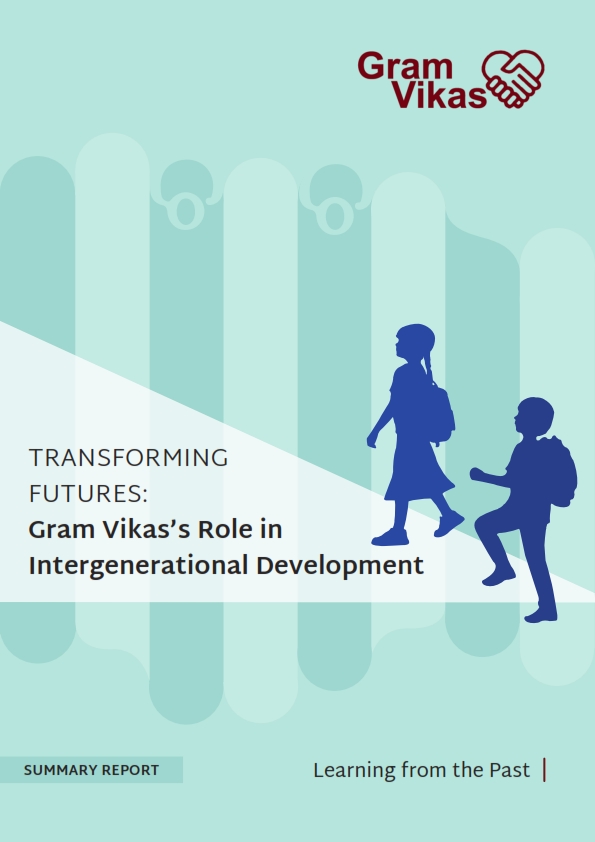
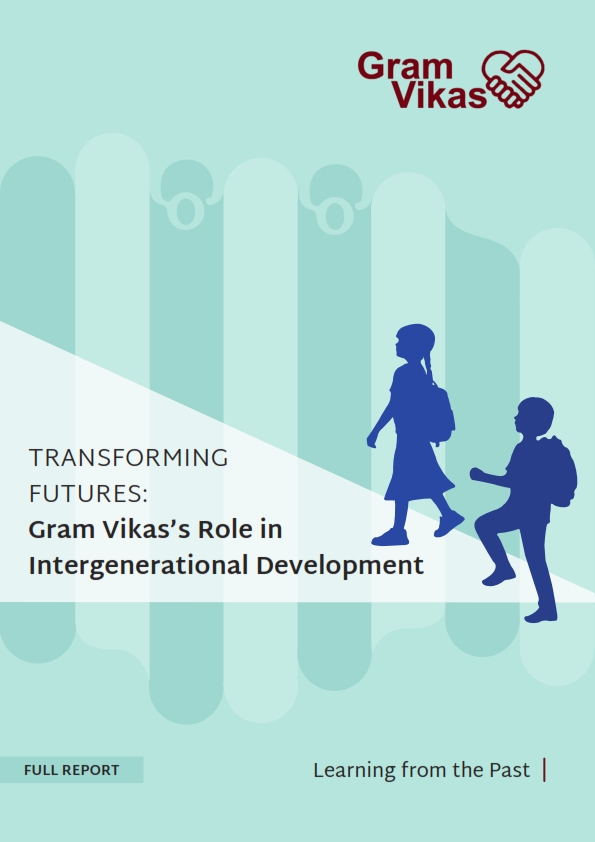
Transforming Futures: Gram Vikas’s Role in Intergenerational Development. Summary Report. Nous Consultants. 2024
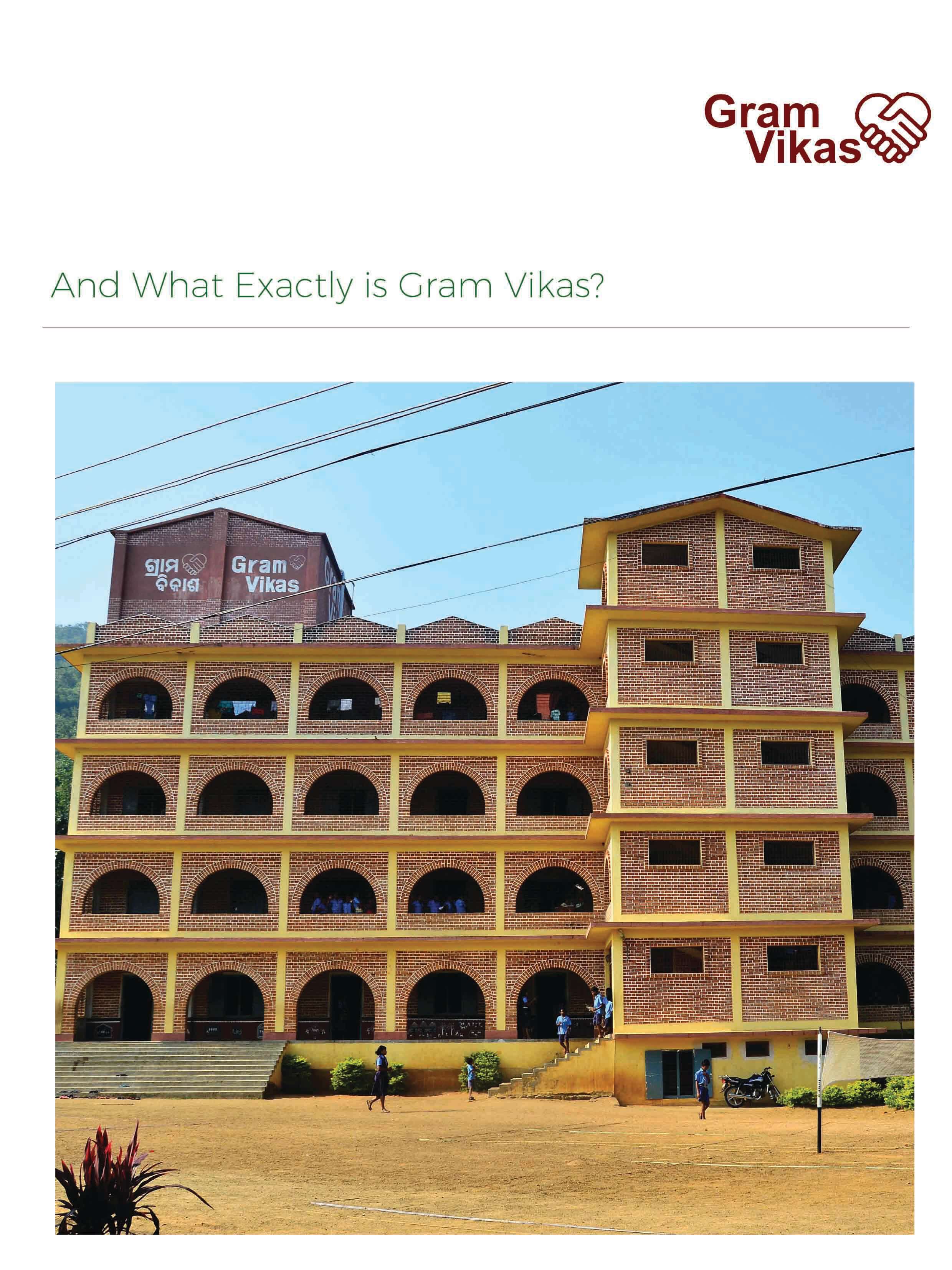
The report highlights how Gram Vikas’s residential schools have enabled intergenerational change in rural Odisha, helping first-generation learners—especially women—access education, livelihoods, and dignity beyond traditional boundaries. By combining academics with life skills, sports, and community ownership, the schools have nurtured confidence and social mobility, creating lasting pathways of transformation for Adivasi and marginalised communities.
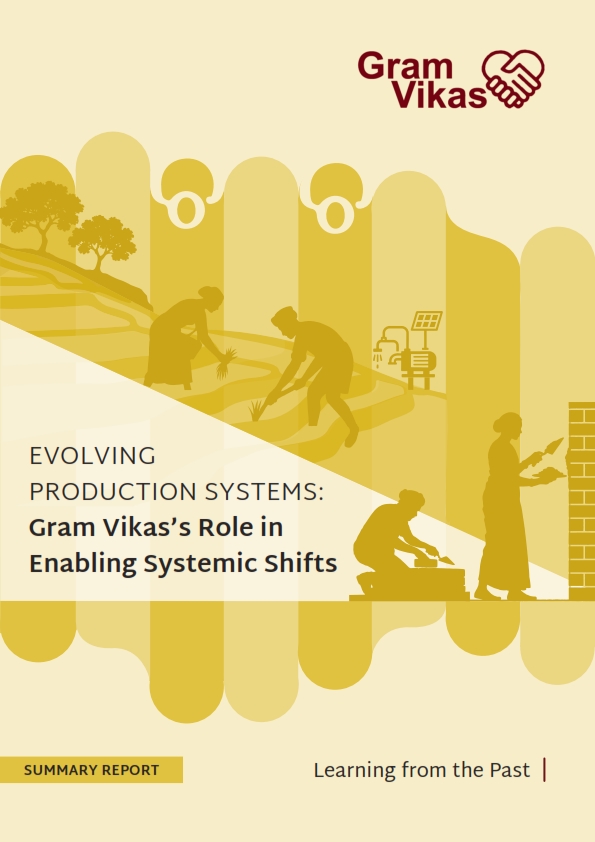
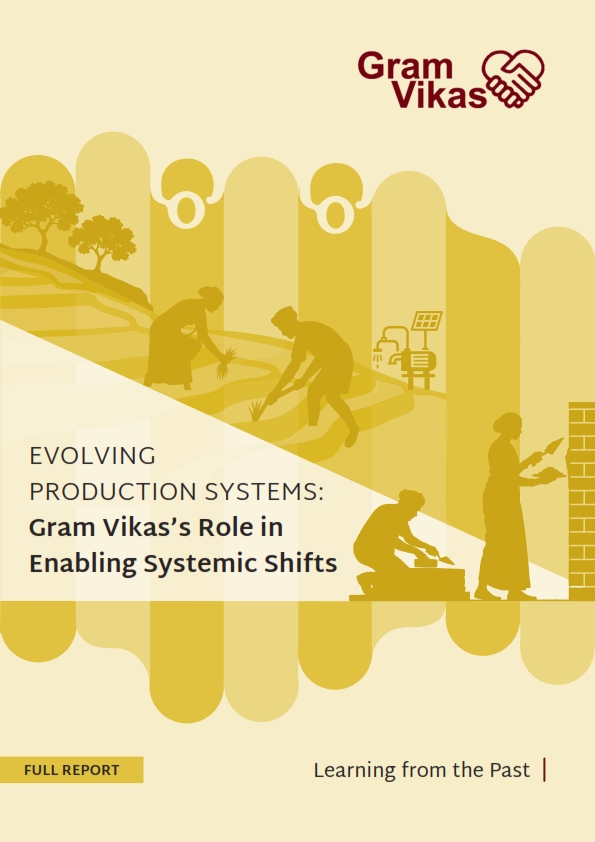
Evolving Production Systems: Gram Vikas’s Role in Enabling Systemic Shifts. Summary Report. Prachi Agarwal and Zeeshan Ali Arfi. 2024
The report shows how Gram Vikas’s early interventions in cashew farming, masonry training, and paddy cultivation triggered lasting livelihood transformations in rural Odisha. By introducing skills, creating market linkages, and standing by communities through shocks like Cyclone Titli, Gram Vikas helped households move away from shifting cultivation towards more resilient and diversified income sources. These systemic shifts have strengthened local economies and opened sustainable pathways for future generations.
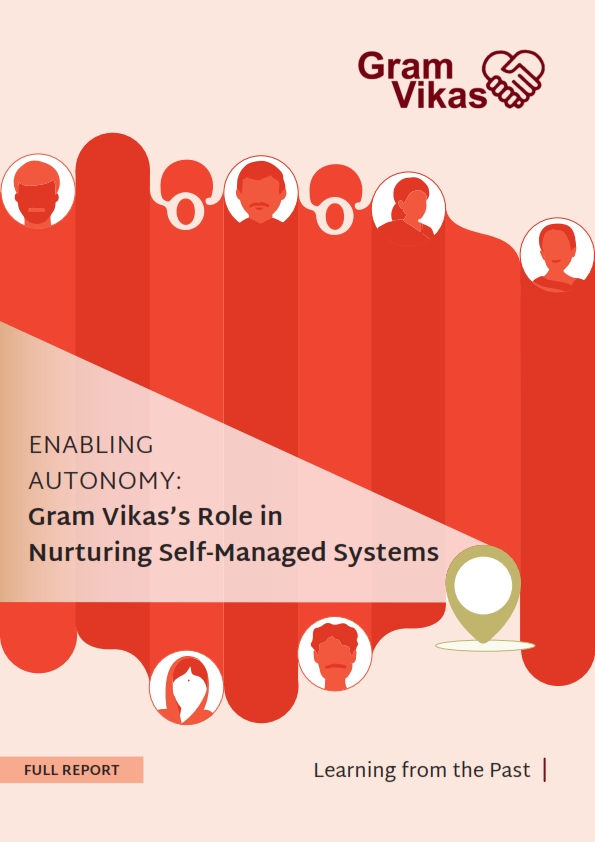
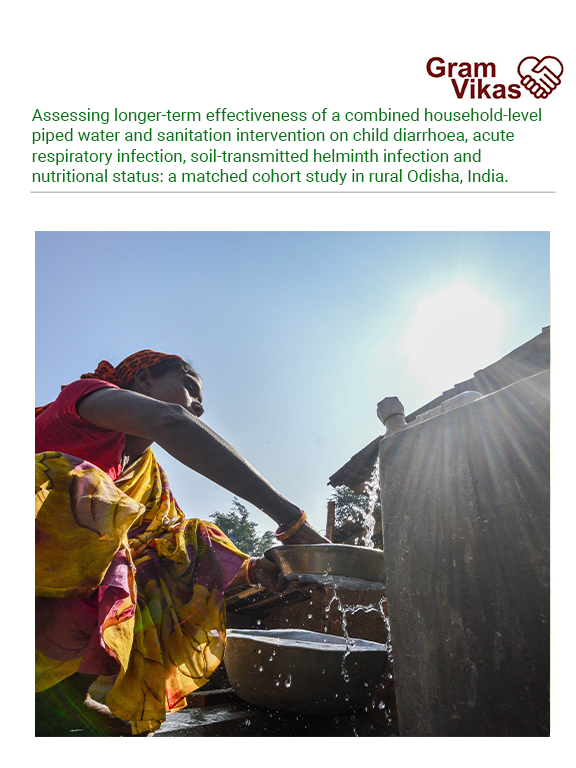
Enabling Autonomy: Gram Vikas’s Role in Nurturing Self-Managed Systems. Summary Report. Nous Consultants. 2024
The report highlights how Gram Vikas’s pioneering water and sanitation programme empowered rural Odisha communities to build and sustain self-managed systems decades ahead of national initiatives. Village Development Committees ensured inclusive decision-making, reliable piped water, and sanitation facilities that improved health, reduced drudgery for women, and fostered dignity and pride. These community-led systems continue to demonstrate resilience, equity, and long-term sustainability, setting benchmarks above national and global standards.
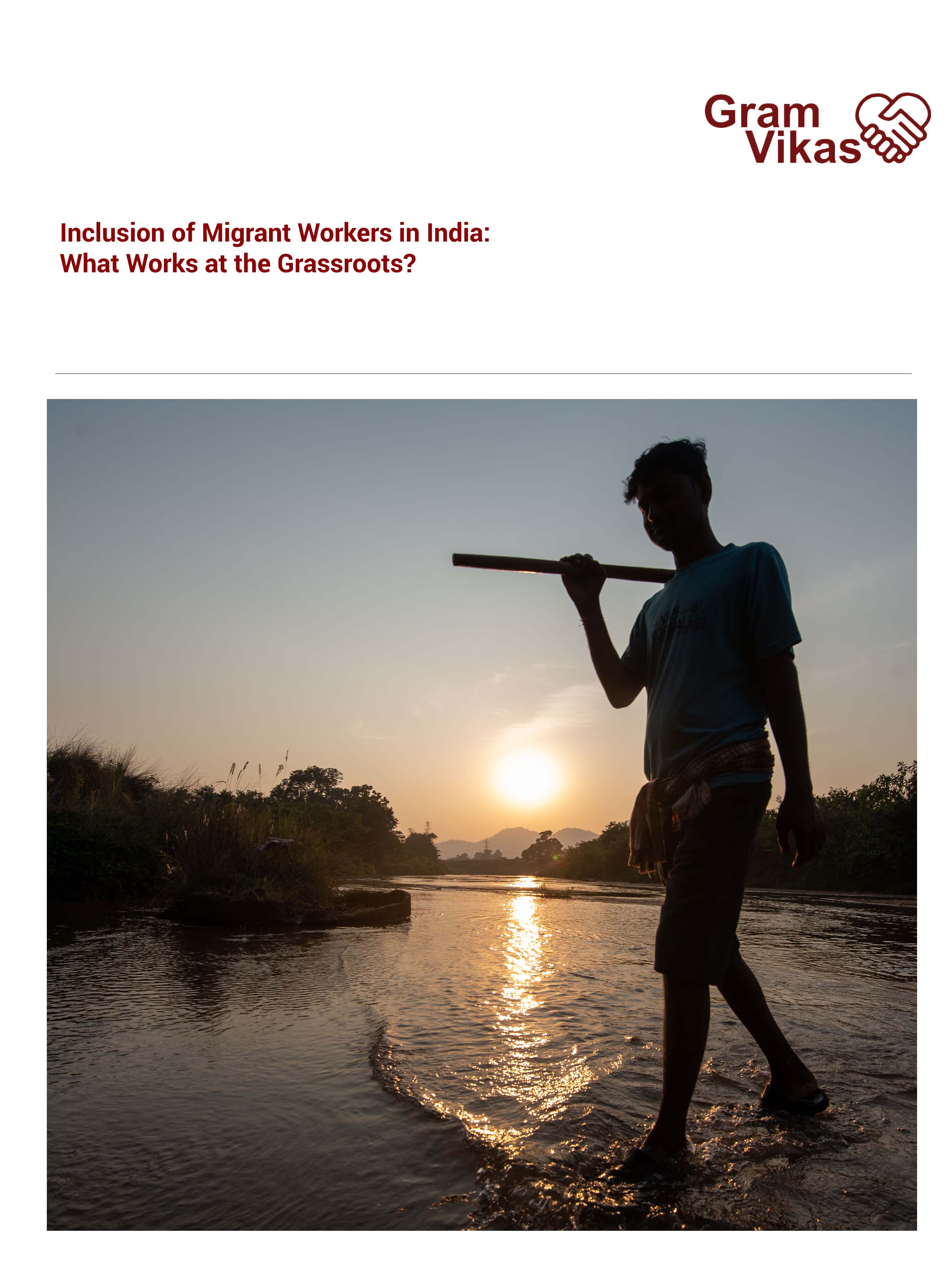
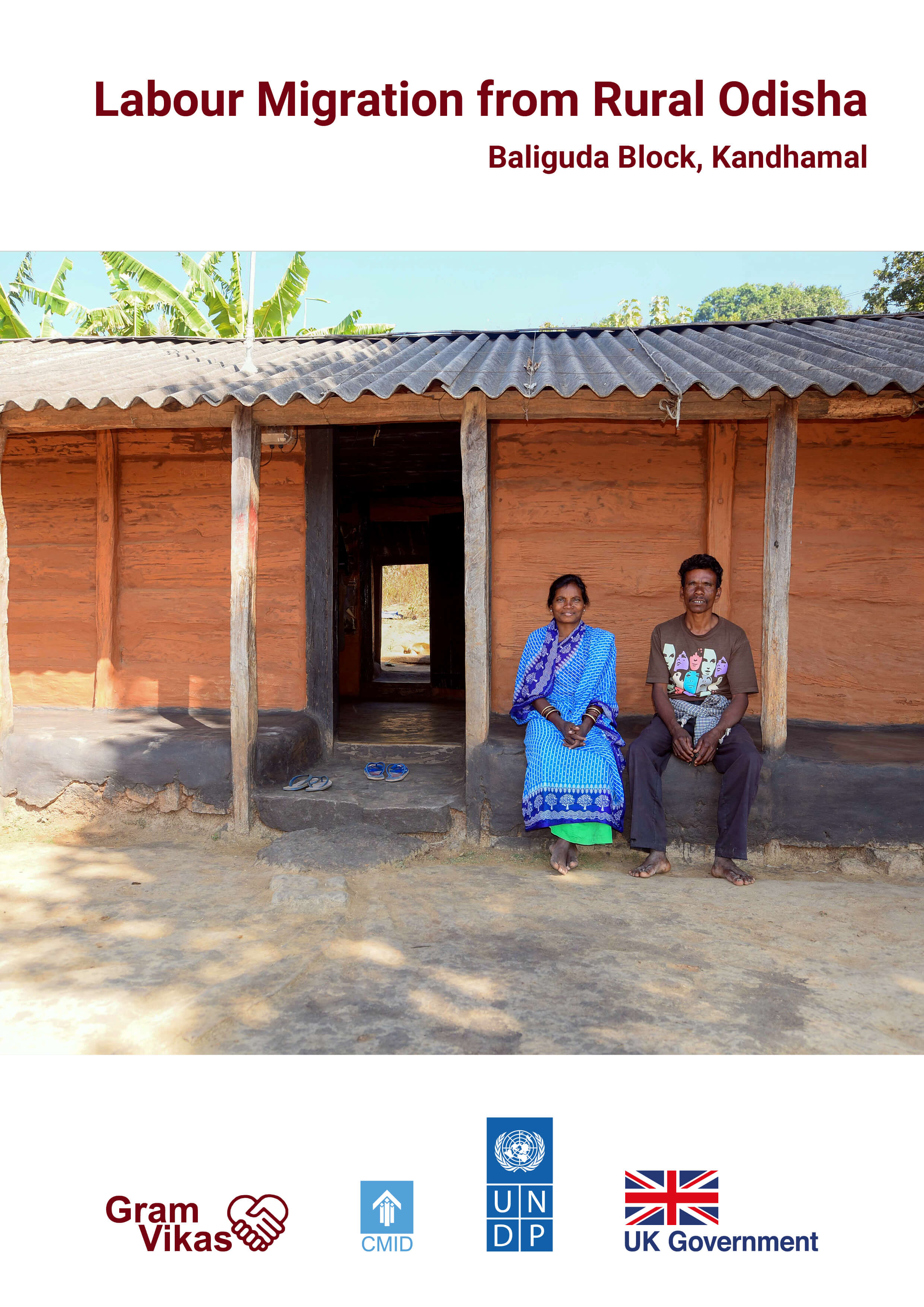
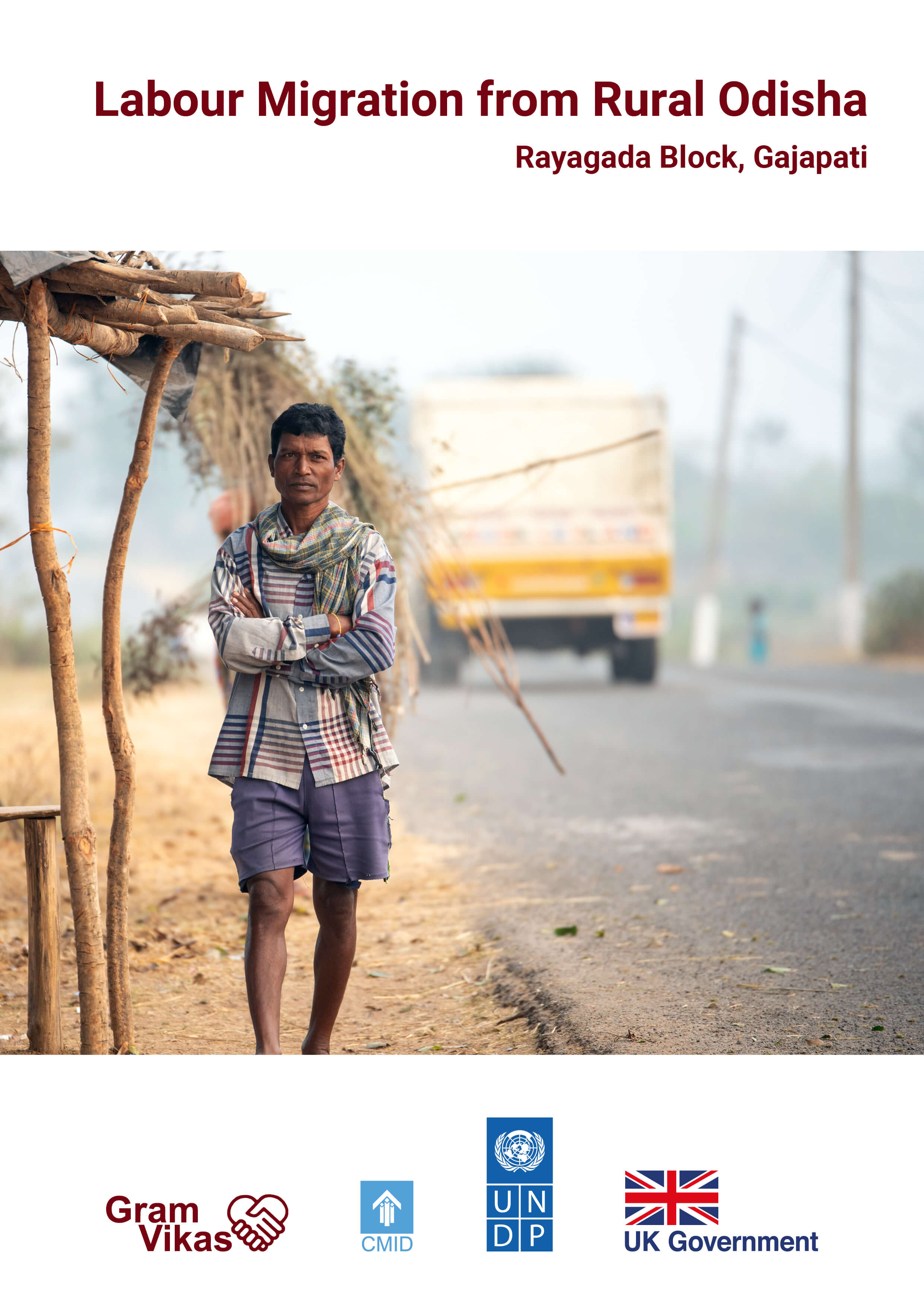
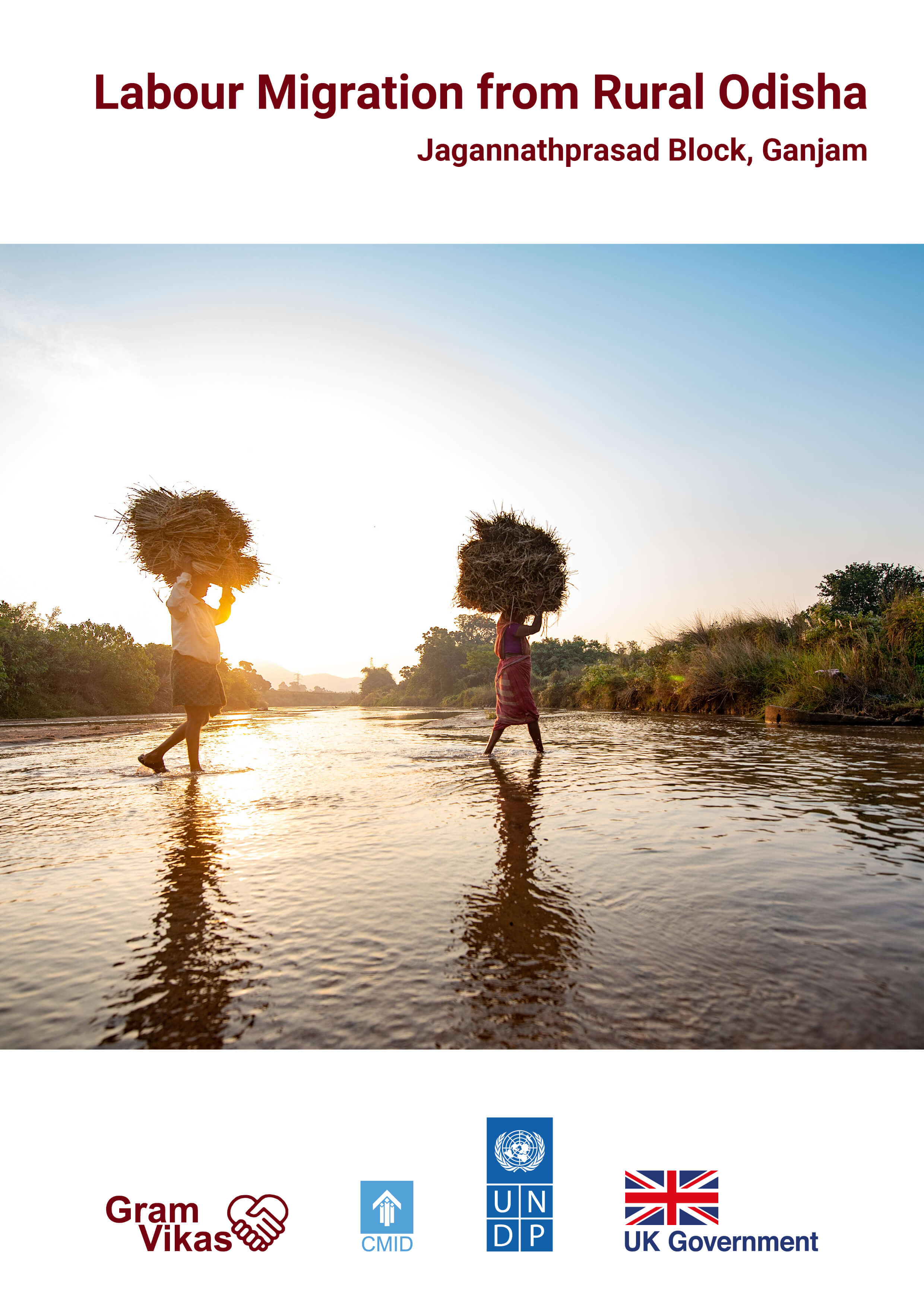
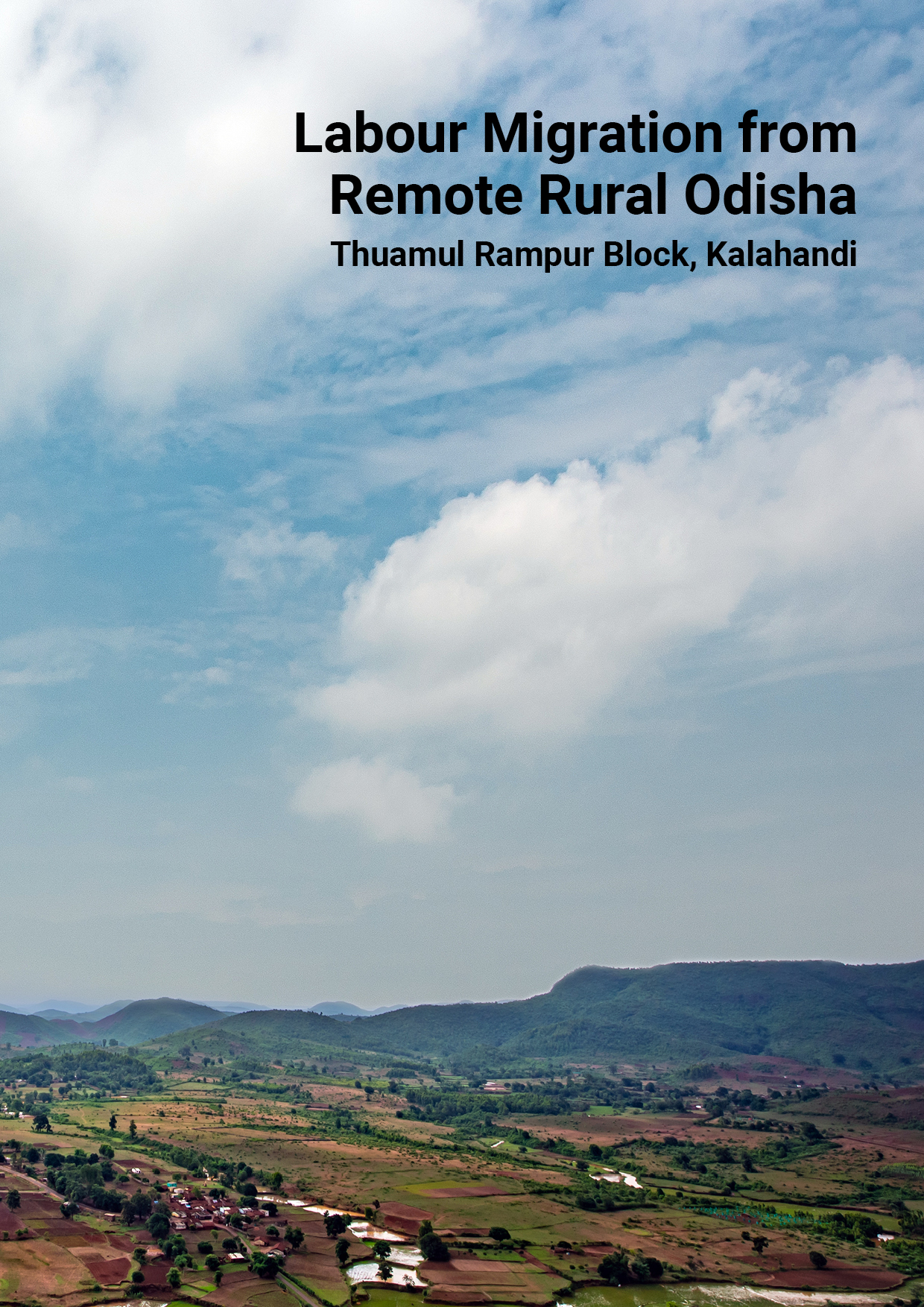
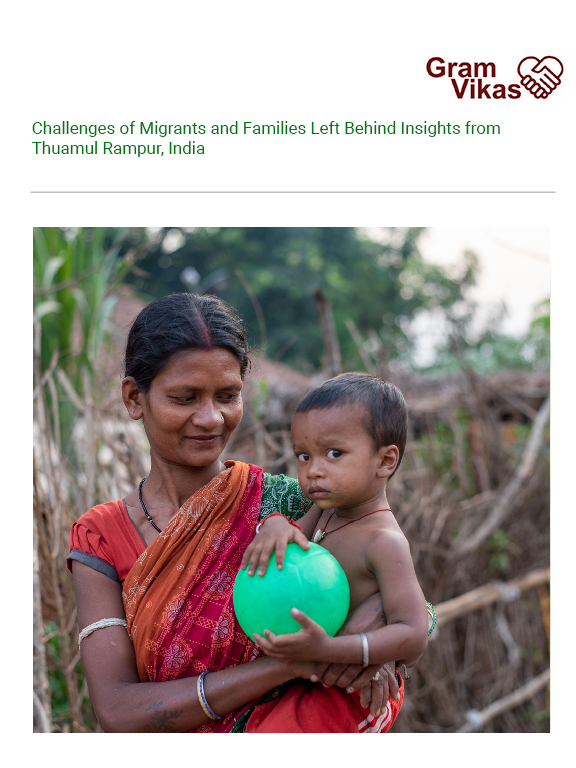
Inclusion of Migrant Workers in India: What Works at the Grassroots? Benoy Peter and Liby Johnson. 2021
This study spotlights the crucial yet precarious role of internal migrant workers in India’s economy. It unpacks how COVID-19 magnified their vulnerabilities, pushing many to the margins without safety nets. It draws on on-the-ground initiatives that are bridging these gaps—through legal aid, worker collectives, and portable entitlements—offering practical models for change as migration deepens across rural and urban India.


ALL PUBLICATIONS
 Filter