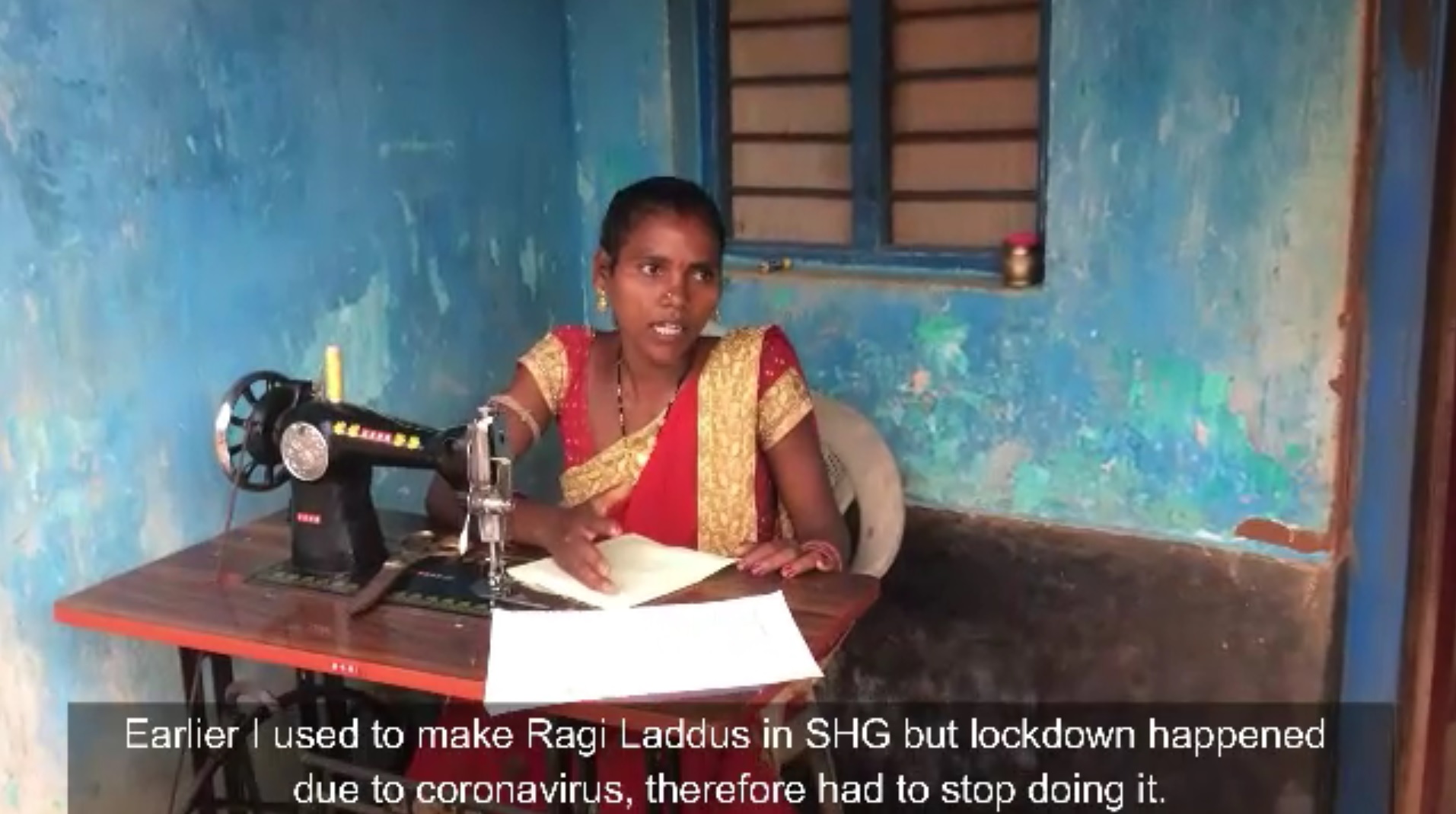
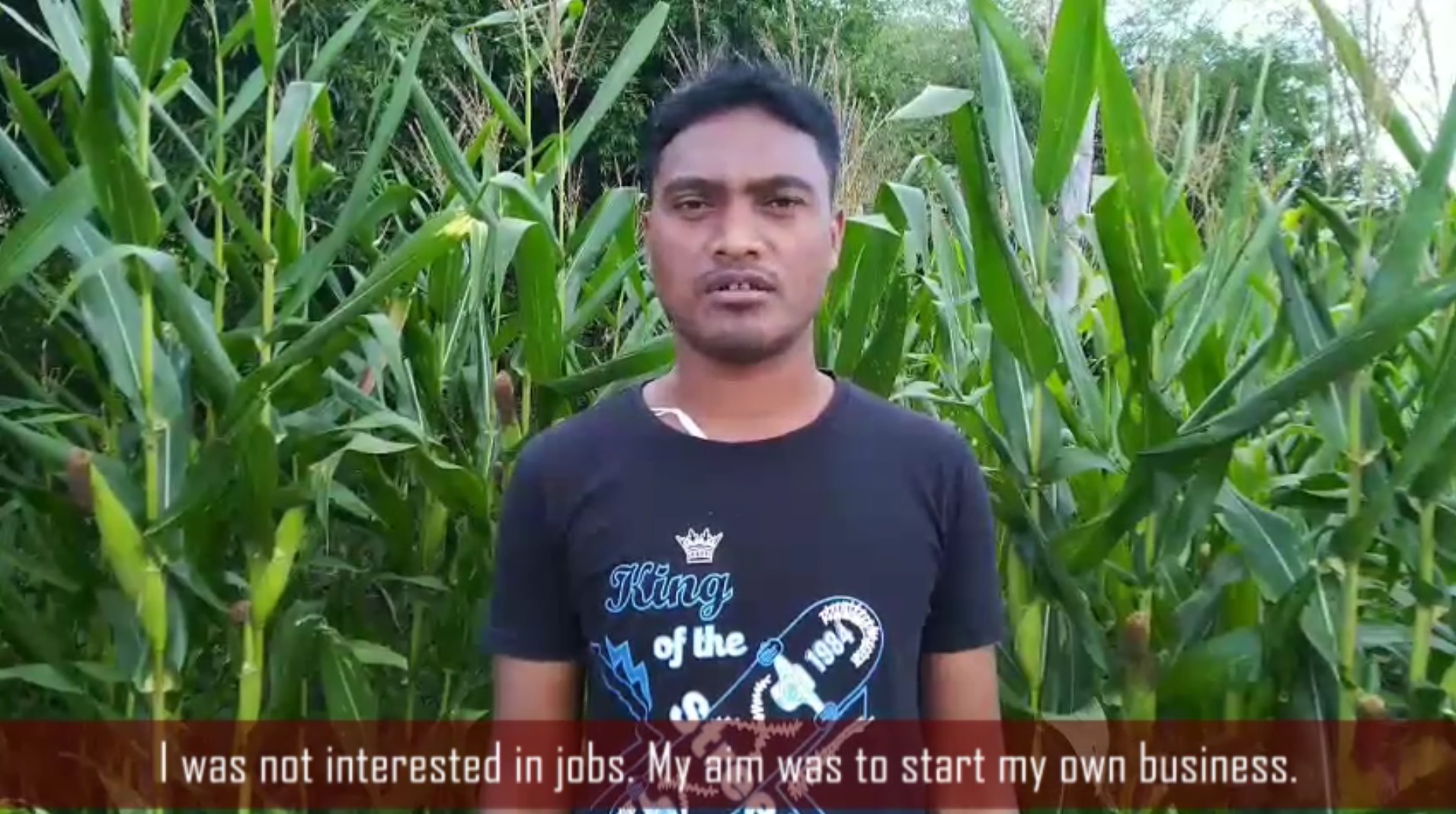
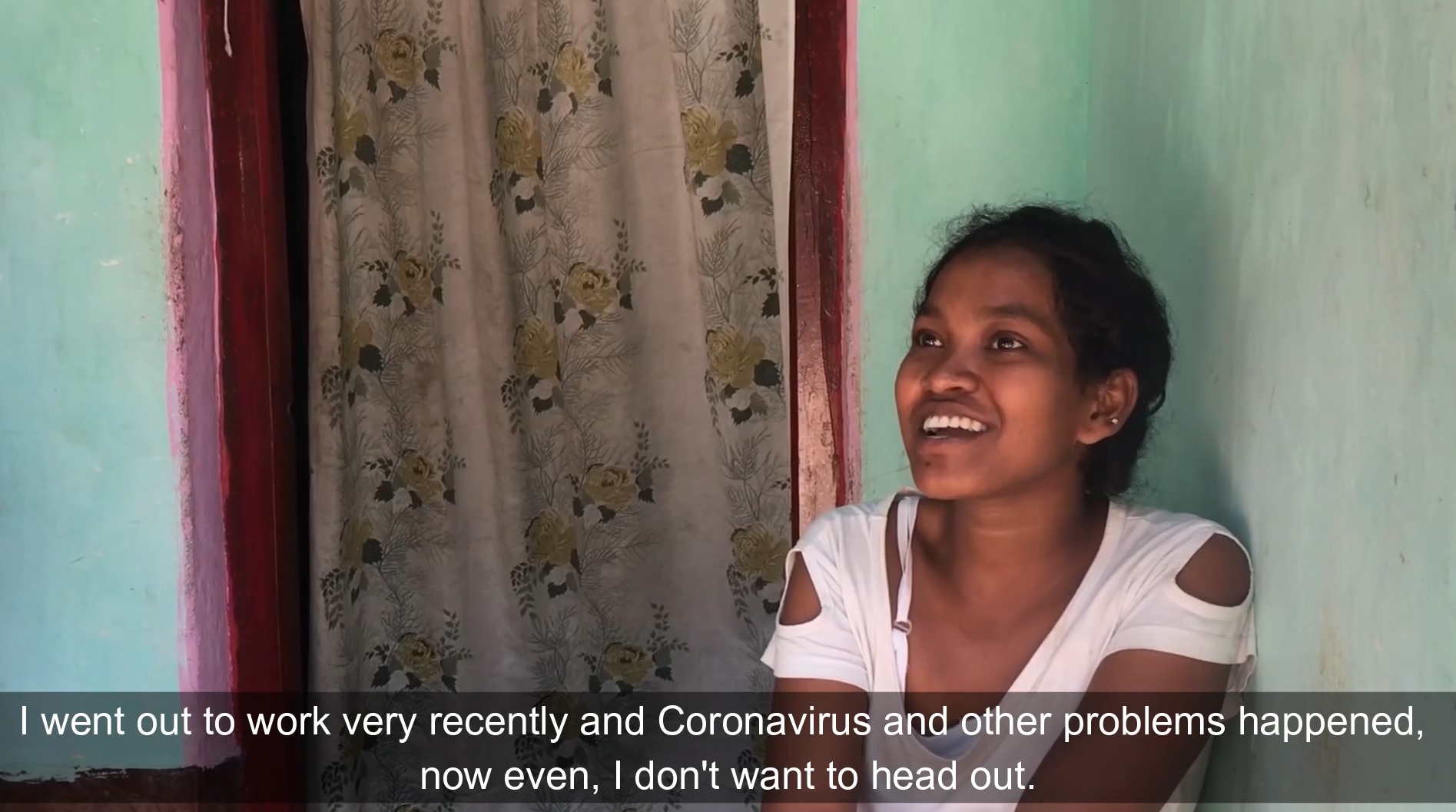
On 24 March 2020, Government of India announced a nationwide lockdown to stem the spread of the coronavirus disease. It restricted the movement of a billion people and shut down the economy. The lockdown left millions of migrant labourers stranded, without jobs and unprepared to cope with the fallouts. Gram Vikas and the Centre for […]
A new study on post-lockdown coping strategies of migrant workers from Odisha. With a poverty ratio of 32.6%, migration for work has been a key survival strategy for millions of poor from rural Odisha. Gram Vikas and Centre for Migration and Inclusive Development spoke to 392 migrant workers from Odisha stranded in different states of […]
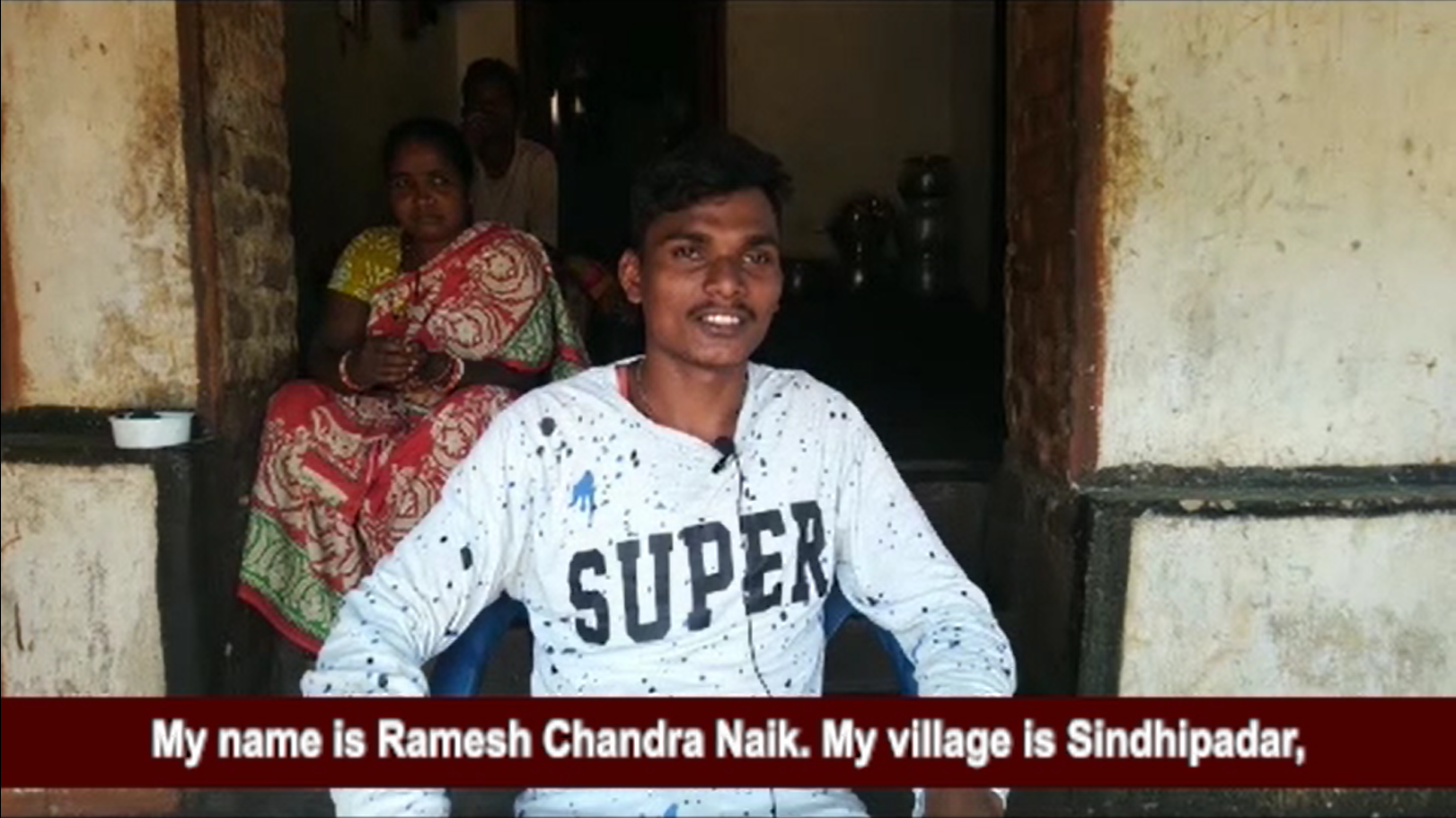
Ramesh and his family worry about their future. He feels he may not have work after a few months. He has not been able to save much either. But more heartbreaking is his helplessness. He feels nothing can be done about the situation.
Gram Vikas’ COVID-19 pandemic response work reached vulnerable rural poor with health awareness and screening, survival kits for families of daily wage workers, support for livelihood security and local government actions; and ensuring the wellbeing of stranded migrant workers from Odisha.
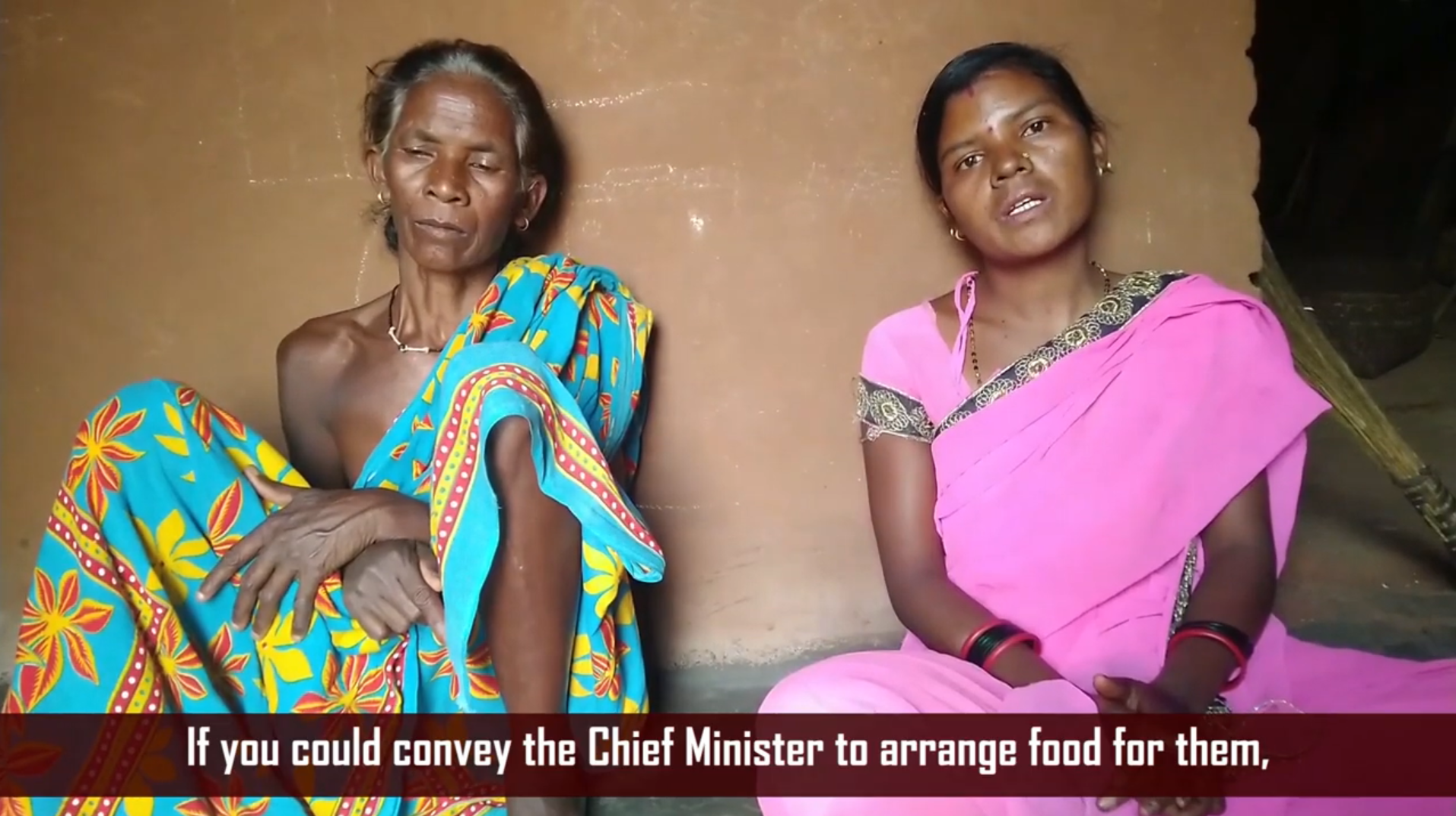
The COVID-19 pandemic has left Mohan Majhi stranded in Kerala, where he went to work in a construction firm. His family has to cope with the uncertainty of the fallout on their own while taking care of an infant.
The Government of Odisha announced a partial lock-down on 22 March 2020 due to which several of Gram Vikas offices were closed. Subsequent to the national level lock-down, all our offices have been closed and staff members are working from home. All Management Team members are working from home and keeping in touch with each […]
As part of our work on Safe Migration, Gram Vikas already had built a database of workers who had migrated to Kerala from villages in our operational area in Thuamul Rampur block of Kalahandi district. A 3-member team in Bhubaneswar aided by one management team member who was at his home in Kerala worked together […]
The COVID-19 pandemic has given rise to joblessness and a looming fear of livelihood insecurity amongst the rural poor from Gram Vikas villages. A large number of men have been forced to return to their native villages in Ganjam, Gajapati and Kalahandi districts from other states like Kerala and Karnataka. Most of them were engaged […]
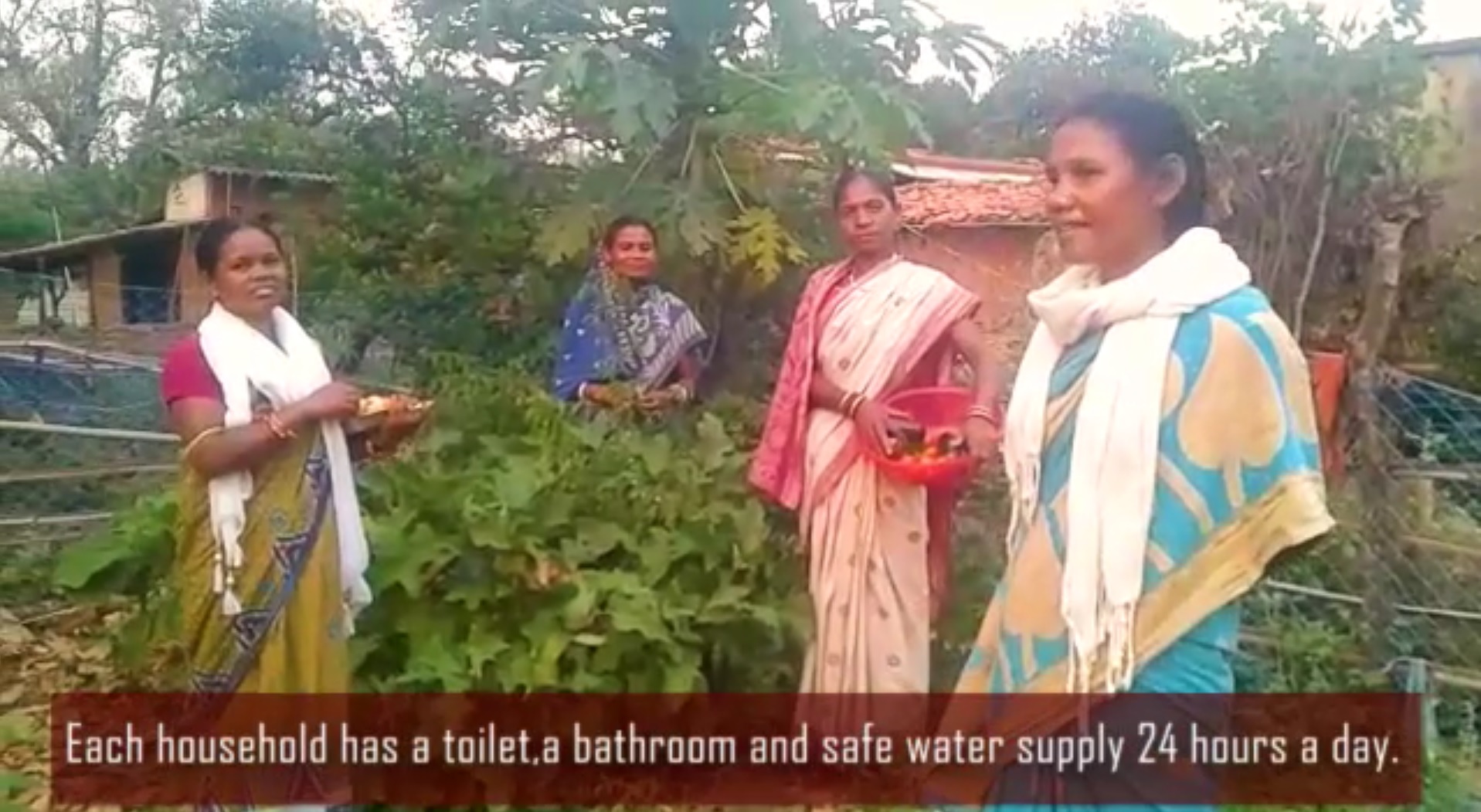
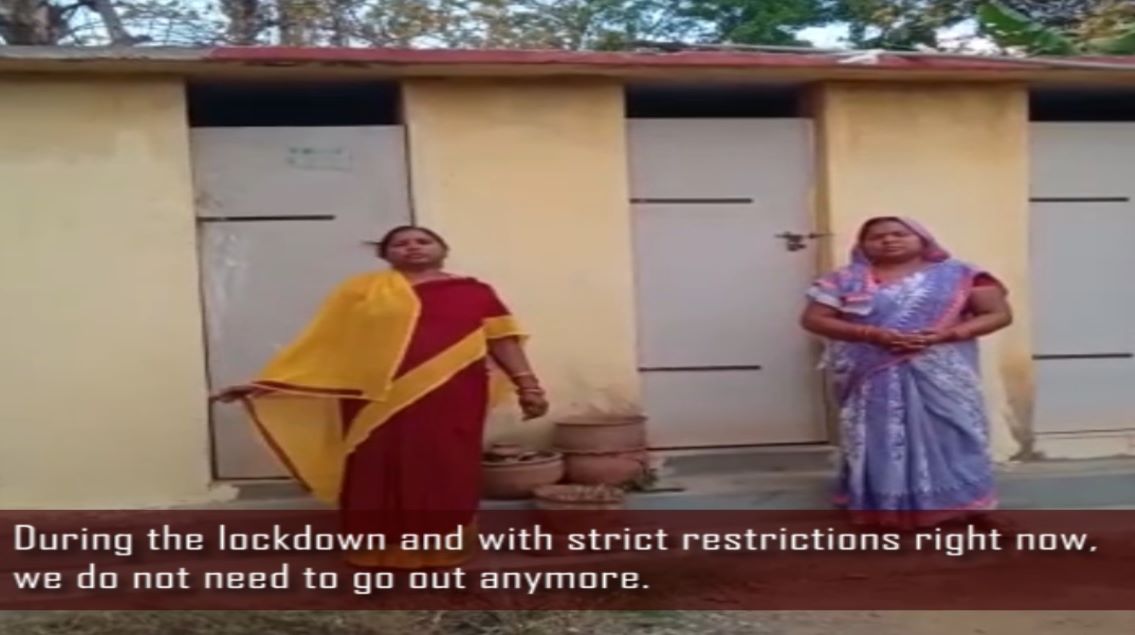
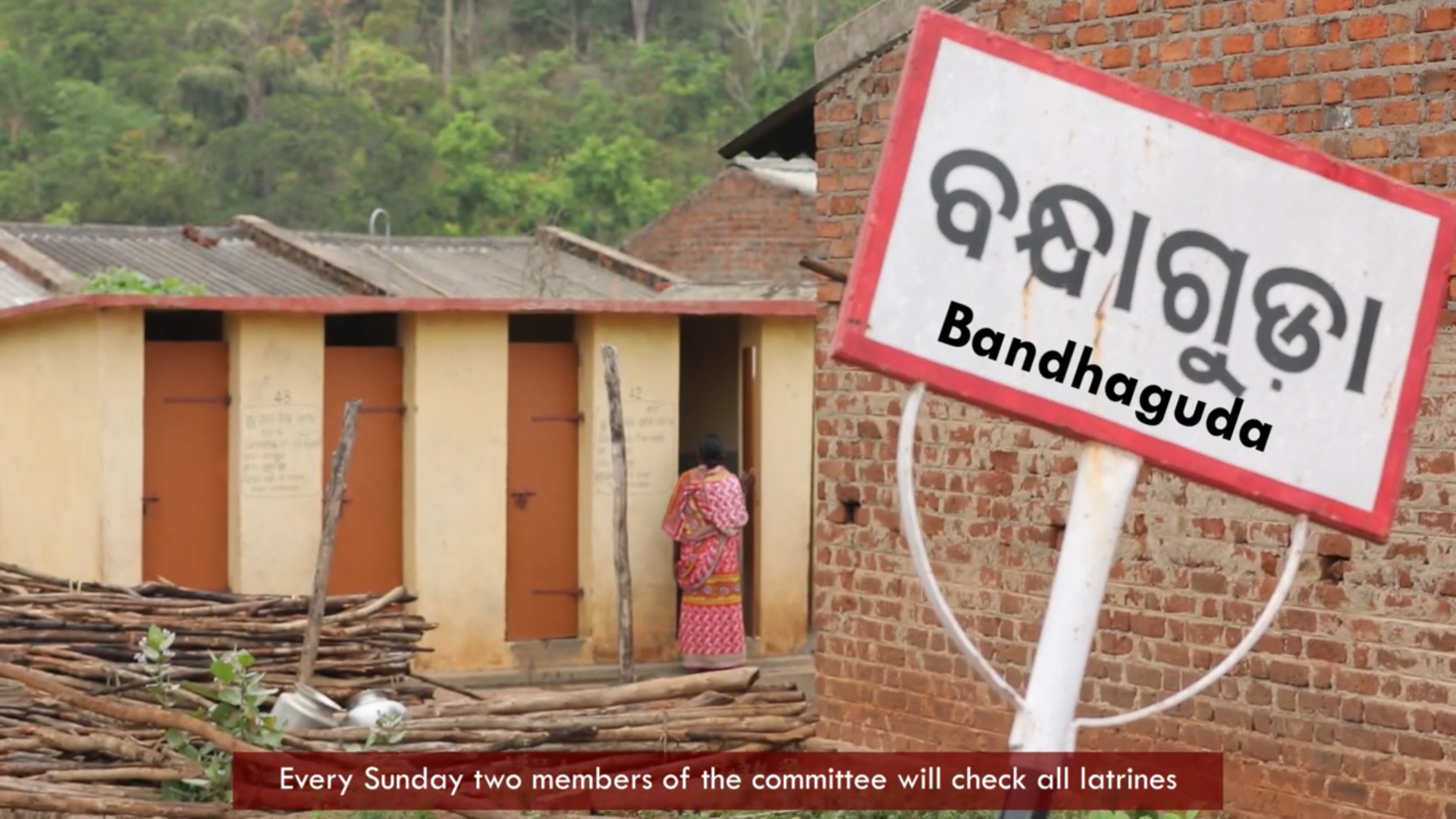
Women of Bandhaguda, a small village in Ganjam district of Odisha, India, tells you how they built the toilets, manage the system and ensure safe sanitation behaviour in their community.
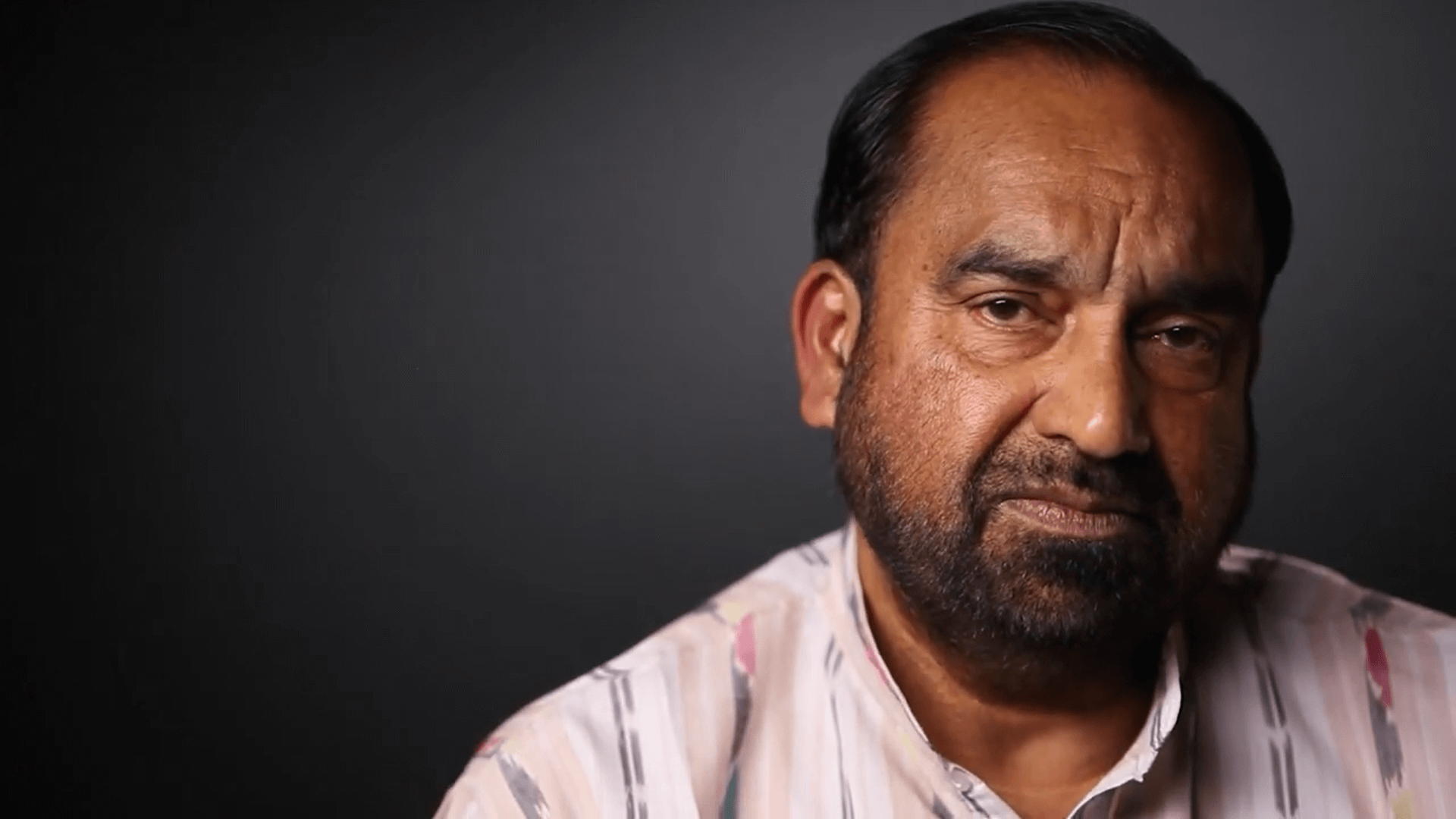
“The hidden agenda was to address the problem of exclusion, but the open agenda was to see that people got quality water and sanitation facilities in rural areas,” Joe Madiath. Watch the Skoll Foundation’s interview with Joe Madiath on how Gram Vikas was built, 41 years ago, to find equity through water and sanitation.
A joint research by LSHTM, KIIT and Emory University found improvements in toilet use and coverage, better child faeces management and reduced diseases among children in selected programme villages of Gram Vikas. Lack of clean water and poor sanitation and hygiene habits such as open defecation and unsafe child faeces disposal in rural households exposes […]
Micro-automatic weather stations to help farmers predict the weather with greater accuracy in addition to supporting non-farm livelihoods and helping women better plan their day.
We use cookies to improve your experience of our website. By continuing to use the site, you agree to the placement of these cookies. Read our updated Privacy Policy to learn more.